.svg)

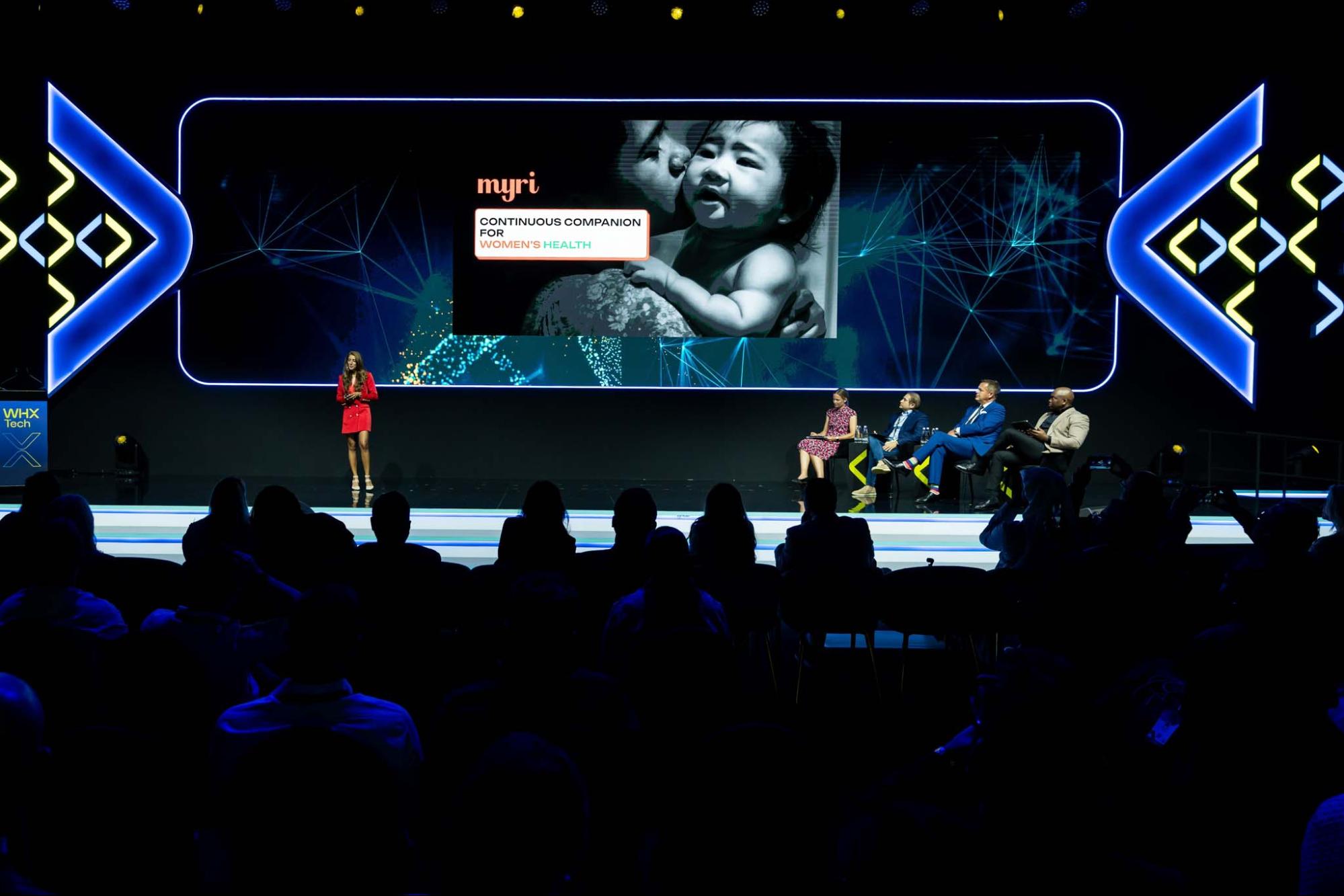
In a world racing toward digital transformation, maternal health still carries risks that should have been solved decades ago. Women are surviving pregnancy in some regions not because systems are seamless, but because they are resilient. That gap between resilience and responsibility is exactly why conversations at WHX Tech 2025 mattered.
Maternal health does not sit on the sidelines anymore. At WHX Tech 2025, it was part of serious conversations about prevention, system accountability, and what it truly means to build healthcare that supports women before a crisis unfolds.
For Myri, being present in Dubai was about responsibility. When regions across the Middle East are actively investing in digital health transformation, maternal care must be part of that evolution. Pregnancy and postpartum are not isolated life events. They are clinical journeys that shape long term family health outcomes, and they require infrastructure that extends beyond a single visit.
Named in the Top 12: Xcelerate Startup Pitch Competition
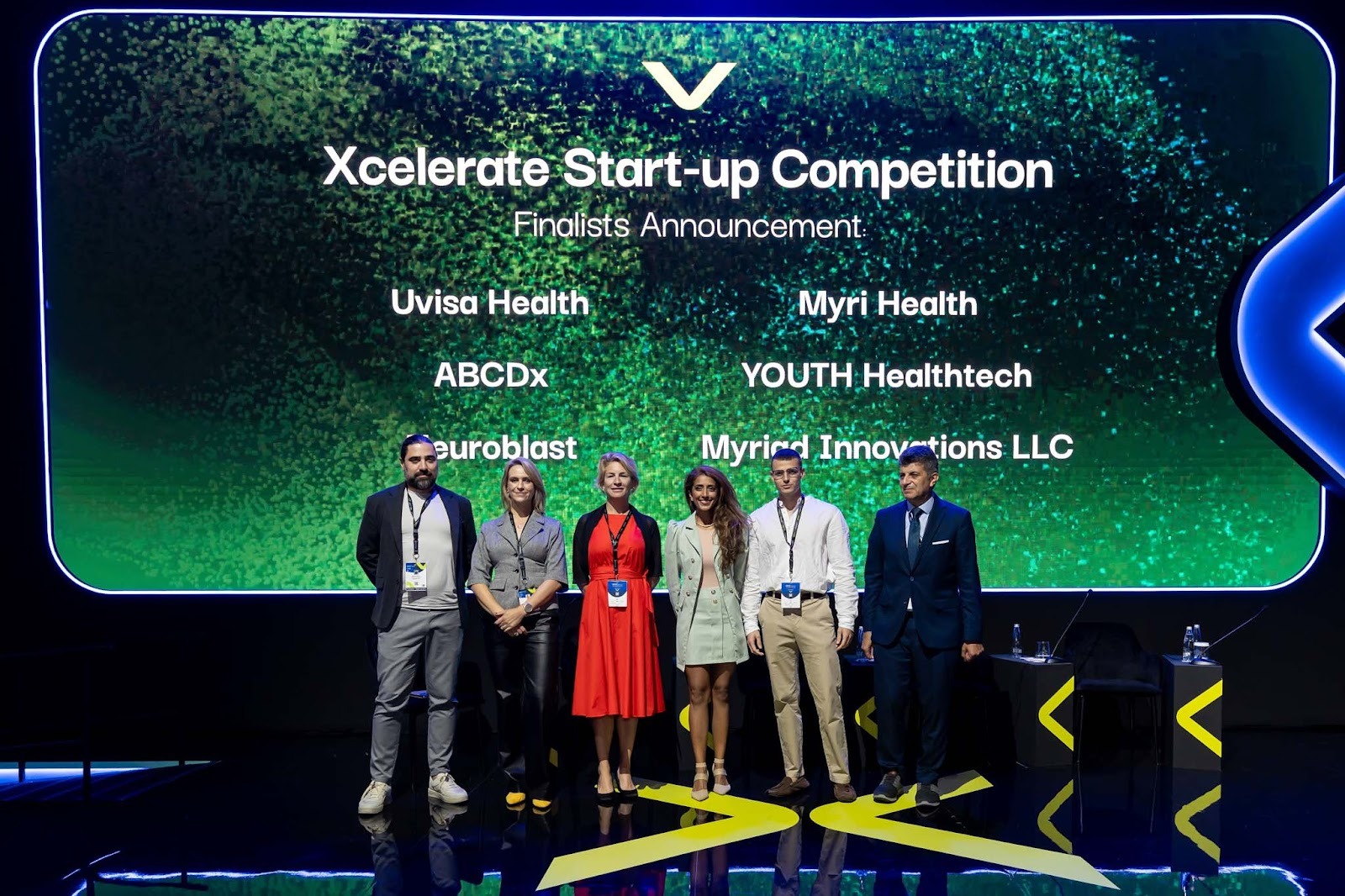
At WHX Tech, Myri participated in the Xcelerate Startup Pitch Competition and was named among the Top 12 startups. That recognition carried weight, not because it was a competition, but because it signaled something deeper. Healthcare leaders are ready to move beyond fragmented maternal solutions.
Maternal health cannot be addressed through disconnected apps or reactive systems. A mother’s physiology changes continuously. Blood pressure trends, glucose patterns, sleep disruption, mental health shifts, family history, social stressors. These are not data points that exist for ten minutes inside a clinic. They evolve daily. If systems only see her during appointments, they miss the story unfolding between them.
The response from partners and health systems reinforced what we have known for years. Continuous visibility is not a luxury in maternal care. It is a necessity.
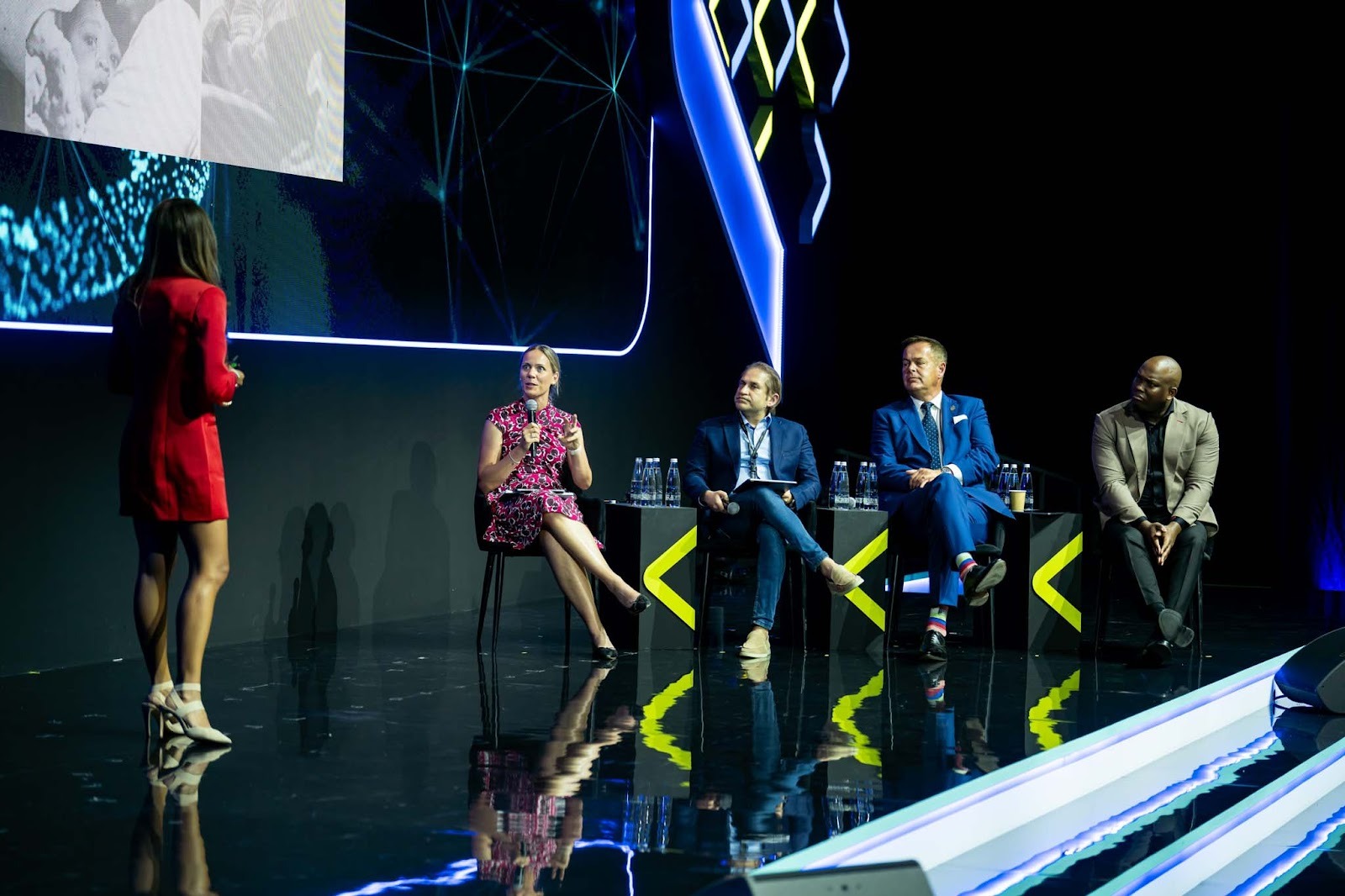
What Myri Brings to Maternal Care
Myri is often described as a platform, but at its core, it is maternal infrastructure. It supports mothers and the institutions responsible for their care by creating continuity where gaps traditionally exist.
The platform integrates remote monitoring, risk trend identification, postpartum mental health tracking, and multilingual support so mothers are not navigating complex health systems alone. At the same time, provider dashboards create structured visibility between visits, allowing clinicians to recognize patterns earlier and intervene appropriately within their own governance frameworks.
The interest at WHX Tech reflected a growing regional understanding that prevention must be measurable. Health systems across MENA are exploring how to reduce avoidable complications, improve follow up, and strengthen postpartum continuity. Myri’s approach aligns with that direction because it focuses on surfacing risk trends before they escalate, not reacting once they have.
Cultural Relevance Is Not Optional
Digital health cannot simply be deployed across regions without adaptation. Maternal care in the MENA region is deeply shaped by family structures, language diversity, faith based considerations, and government led healthcare systems.
At WHX Tech, conversations repeatedly returned to this reality. Solutions must respect cultural context while maintaining clinical rigor. Multilingual accessibility is not a feature. It is a bridge. Family involvement in decision making is not an obstacle. It is a reality that must be acknowledged. National healthcare strategies are not peripheral. They define how technology integrates within care delivery models.
Myri’s expansion conversations across the region focused on alignment. Alignment with hospital systems. Alignment with national maternal health initiatives. Alignment with public health priorities that recognize maternal outcomes as foundational to broader population health.
Closing Maternal Health Gaps with Data
The conversations in Dubai kept circling back to one uncomfortable truth. Maternal health systems are often structured to respond to emergencies, not to recognize patterns. We wait for numbers to cross thresholds. We wait for symptoms to intensify. We wait for a mother to tell us something feels wrong. By then, the window for prevention has already narrowed.
The conversations in Dubai echoed what was recently discussed in Dr. Patel’s interview with HIMSS TV, where she spoke with Rachel McArthur about closing maternal health gaps through data, remote monitoring, and accessible digital infrastructure.
Our position is simple and evidence driven. Most maternal complications do not arrive without warning. They accumulate. Blood pressure trends upward over weeks. Glucose variability shifts gradually. Mood changes are subtle before they are severe. Sleep disruption compounds physical strain. None of these signals are invisible. They are just rarely connected in a way that gives clinicians continuous context.
The logic behind Myri’s approach is not to replace providers or complicate workflows. It is to restore continuity. When data is captured consistently and reviewed responsibly, patterns become visible earlier. When language barriers are removed, mothers are more likely to engage honestly. When monitoring extends beyond discharge, postpartum risk does not go unnoticed.
Watch the full interview here:
The MENA Momentum
Across the Middle East, healthcare transformation is not theoretical. Governments are investing in digital infrastructure. Health systems are exploring remote patient monitoring. Policymakers are emphasizing preventive screening and measurable outcomes.
Maternal health must be integrated into that transformation. Postpartum risk does not disappear after discharge. Many complications occur after a mother leaves the hospital, when monitoring often decreases and support systems fragment. Technology can strengthen that transition by providing structured visibility without disrupting clinical governance.
WHX Tech 2025 reflected a region that understands this urgency. The interest in maternal infrastructure, in longitudinal data visibility, and in culturally grounded digital engagement signals a shift. Maternal care is being recognized not as a niche specialty but as a core component of public health resilience.
Moving Forward with Intention
Being named in the Top 12 at Xcelerate is meaningful. Engaging with partners across the Gulf is meaningful. But the true measure of progress will be implementation. It will be seen in strengthened postpartum monitoring, earlier identification of hypertensive risk, improved mental health screening, and measurable improvements in maternal outcomes.
When health systems commit to prevention and continuity, outcomes change. When maternal care is treated as infrastructure rather than an afterthought, families benefit for generations.
WHX Tech 2025 confirmed that the MENA region is ready to lead in this space. Myri remains committed to building systems that support mothers consistently, respectfully, and with clinical depth that extends far beyond a single appointment.
%20(1).png)
.png)
.svg)


